
A Clinical Perspective: The Link Between Oral and Brain Health
July 16, 2026
Dentists and researchers have stated for many years that the mouth and body are closely connected. What you ingest and how well you maintain your oral health can have a positive or negative impact on your bodily organs and brain health. How is this possible? What can you do to ensure you avoid cognitive decline over time? This article will provide a clinical perspective on how the two areas are linked.
How Can the Mouth Affect the Brain?
At the American Stroke Association’s International Stroke Conference in 2023, researchers presented a study indicating that individuals who struggle with poor oral health are more likely to experience a decline in brain health.
The Association estimates that three in five people will develop brain disease in the U.S., which can negatively affect an individual’s ability to remember people, places, and things.
To determine how oral health may play a part in this decline, researchers analyzed the data collected from 40,000 adults between 2014 and 2021. These individuals had no history of stroke and were screened for 105 genetic variants that are commonly associated with an increased risk of cavities, dentures, or tooth loss.
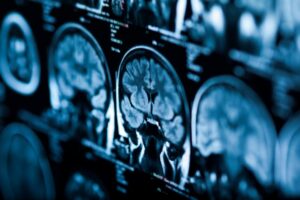
After reviewing the data and MRI images captured of each person’s brain, they concluded that those who are prone to cavities, missing teeth, or who might need dentures in the future were more likely to experience a silent stroke. Those with genetically poor oral health experienced greater damage to the brain.
What Can You Do to Avoid Declining Brain Health?
Researchers claim that additional factors, such as diet, lifestyle habits, and other health conditions, can also contribute to poor brain health, but the consensus remains that maintaining healthy teeth and gums is highly beneficial.
To minimize the potential decline of cognitive function and overall health, you can:
- Practice daily brushing with a soft-bristle toothbrush and fluoride toothpaste, making sure to brush for two minutes.
- Floss between teeth to remove plaque and tartar at least once a day.
- Rinse your mouth with an antimicrobial mouthwash to flush our remaining bacteria.
- Keep six-month dental checkups and cleanings with your dentist to ensure early detection of cavities, gum disease, decay, etc.
- Eat a healthy, nutrient-rich diet that focuses more on fresh foods and vitamin- and nutrient-enriched items instead of sugars and starches.
- Give up unhealthy habits, like smoking, tobacco use, and excessive alcohol consumption.
The brain and mouth are closer than you think, so make sure to take the proper steps to keep both in the best possible shape.
About the Author
Dr. Marco Caballeros earned his dental degree at the Texas A&M Baylor College of Dentistry before joining their Advanced Education in General Dentistry post-doctoral program. He also completed his Fellowship with the Academy of General Dentistry. As a general dentist in Frisco, he and the team at On Point Dentistry guide patients toward preventive care to minimize future issues and maintain healthier teeth and gums today. If you want to restore your oral health, we encourage you to call (469) 476-4092 to schedule an appointment.
No Comments
No comments yet.
RSS feed for comments on this post.
Sorry, the comment form is closed at this time.